
Table of Contents
- Why Long Hair and Baseball Caps Require Different Styling
- How to Wear a Ponytail with a Baseball Cap
- Braided Hairstyles for Hats
- Messy Buns and Double Buns for Cap Wear
- Vintage Sports Hats for Women and Hair Health
- Preventing Hat Hair and Scalp Damage
- Making Hat Hair Look Intentional
- Styling Fine or Thin Hair Under a Baseball Cap
- Frequently Asked Questions
Last Updated: September 19, 2026
Why Long Hair and Baseball Caps Require Different Styling
Baseball cap hairstyles long hair present a unique styling challenge that short-haired wearers simply don't face. The length creates volume, the cap creates pressure, and the combination often results in awkward bumps, bent sections, or hair that falls flat in unflattering ways. The solution isn't to avoid wearing caps with long hair, it's to choose the right baseball cap hairstyles for long hair that work WITH the cap rather than against it.

The key difference comes down to weight distribution and friction. Long hair concentrates mass in one area, which can slip under cap pressure or create visible creases. When you understand how to position and secure your hair, you control that mass and prevent the telltale "hat hair" that makes your style look accidental rather than intentional.
This guide covers the techniques that actually work for long hair, from low ponytails to braids to messy buns, plus how to prevent scalp damage and recover your hair's texture after wearing a cap all day.
How to Wear a Ponytail with a Baseball Cap
The ponytail is the most straightforward option for baseball cap hairstyles for long hair, but there's a right way and a wrong way to do it. A poorly positioned ponytail will slip, create visible bumps under the cap, or bend your hair into creases that take hours to recover from.

Low Ponytail Technique
Position your ponytail low on the back of your head, roughly at the base of your skull or slightly lower. This placement sits naturally under the cap's structure without creating pressure points that bend your hair. A high ponytail will push upward against the crown of the cap, creating visible bumps and uncomfortable tension.
Gather your hair gently, don't pull it tight. Tension against your scalp under a cap can cause breakage and discomfort during extended wear. A slightly loose ponytail actually works better because it distributes pressure more evenly. Smooth the surface with your fingers rather than a brush, which can create frizz.
Secure with a hair tie made of soft fabric rather than elastic. Metal-ringed hair ties can catch and break strands, and tight elastic creates creases. A smooth, fabric-covered tie causes less friction against your hair's surface.
Securing Your Ponytail to Prevent Slipping
Once your ponytail is positioned, secure it so it won't slip when you move or adjust your cap. A single hair tie often isn't enough, add a second tie an inch below the first one. This creates a locked position that won't slide up into the cap's interior.
Bobby pins are your backup. Place two or three pins horizontally across the base of your ponytail, securing them to the hair underneath. This prevents any upward movement when you put on or adjust your cap.
Test the security by gently tugging on your ponytail. It should feel anchored without feeling uncomfortably tight. If you feel pulling at your scalp, loosen it slightly and reposition the tie lower.
Braided Hairstyles for Hats
Braids are superior to ponytails for cap wear because they distribute tension across multiple strands rather than concentrating it in one bundle. A braided style also looks intentional and polished, so if your hat hair shows, it reads as a deliberate choice rather than an accident.
Side Braid Under the Brim
A side braid works beautifully under a baseball cap because it keeps hair off the back of your neck and creates a compact silhouette that doesn't fight the cap's shape. Start your braid at one temple and weave it down and back, ending at the opposite shoulder or lower back depending on your hair length.
The braid sits naturally under the cap's brim without creating bumps. When you remove the cap, the braid looks intentional and styled, not flattened. Secure the end with a small elastic and tuck any loose pieces back into the braid with bobby pins.
Crown Braid for Added Security
A crown braid that circles your head from one side to the other creates maximum security under a cap. This style keeps all your hair contained in a compact arrangement that won't shift or slip. Start the braid at one temple, weave it across the back of your head, and finish at the opposite temple.
New Era 9TWENTY Adjustable Cap Arkansas →
This technique also protects your hair from friction. Because the braid distributes tension evenly across multiple strands, no single section bears the full pressure of the cap. The result is less breakage and less visible creasing when you remove your cap.
Messy Buns and Double Buns for Cap Wear
A messy bun positioned low on the back of your head works well for casual cap styling. The key is keeping it loose enough that it doesn't create hard creases, but structured enough that it won't collapse under cap pressure.
Gather your hair into a low ponytail first, then twist it loosely and wrap it around the base to form a bun. Don't pull it tight, the messiness is intentional and actually functional. Secure with bobby pins placed horizontally to distribute pressure. Add a second elastic around the base for security.
Double buns or space buns create a playful look that pairs well with vintage sports hats.
Vintage Sports Hats for Women and Hair Health
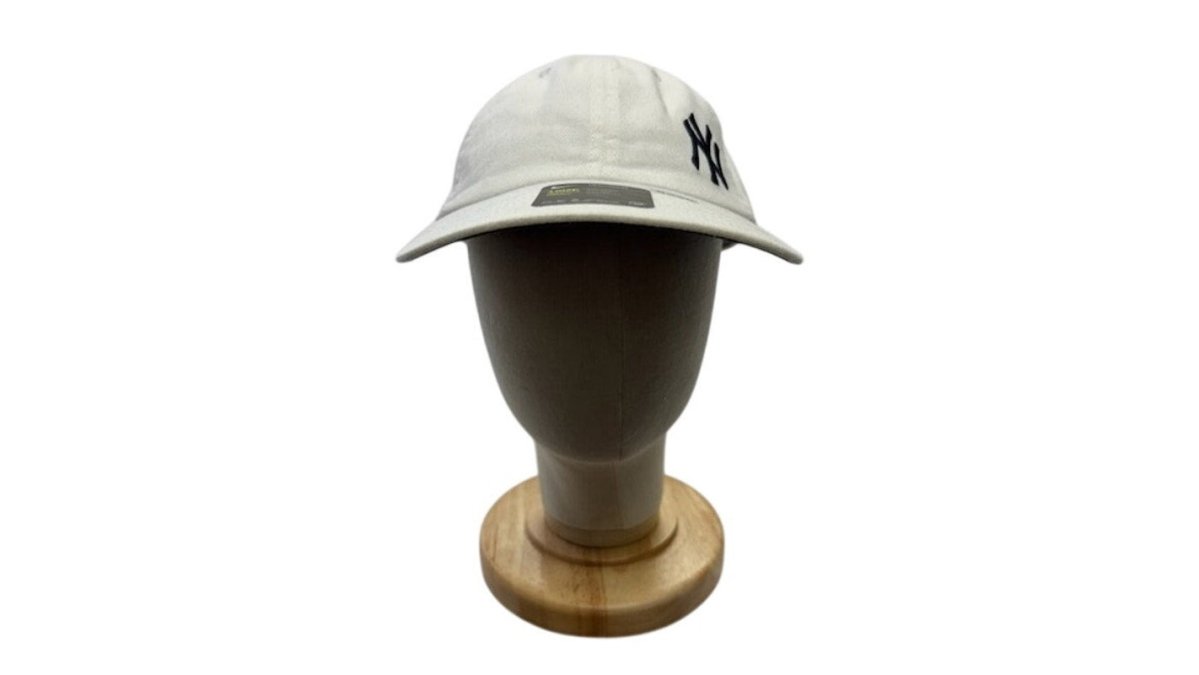
Vintage sports hats, whether they're classic New Era fitted caps or relaxed 9TWENTY styles, come in women's-specific fits that account for different head shapes and proportions. A properly fitted cap that matches your head shape reduces unnecessary pressure and friction on your hair.
Preventing Hat Hair and Scalp Damage
Hat hair isn't just a cosmetic issue, it's a sign that your hair is experiencing friction and pressure that can cause breakage over time. Preventing it requires both technique and understanding how friction works at the microscopic level.
Friction-Reducing Techniques
Friction is the enemy of hair health. When your hair rubs repeatedly against the inside of a cap, the hair cuticle, the outer protective layer, gets roughed up. This leads to frizz, breakage, and split ends. Reduce friction by creating a smoother surface between your hair and the cap.
Post-Cap Hair Recovery
After removing your cap, your hair needs recovery time. Don't immediately brush it or style it further. Let it rest for 10-15 minutes so the hair cuticle can relax and the creases can naturally soften.
Making Hat Hair Look Intentional
Sometimes the best strategy is to lean into hat hair rather than fight it. A slightly textured, piece-y look that results from cap wear can actually look intentional and stylish if you frame it correctly.
Styling Fine or Thin Hair Under a Baseball Cap
Fine or thin hair requires different strategies because it lacks the weight and structure of thicker hair. It compresses more easily under cap pressure and shows creases more obviously. The goal is to create enough volume and structure that the cap doesn't flatten your hair completely.
| Hairstyle Option | Best For | Pressure Level | Creasing Risk |
|---|---|---|---|
| Low ponytail | Quick, simple styling | Moderate | High |
| Side braid | Fine or thin hair | Low | Low |
| Crown braid | Maximum security | Low | Very low |
| Messy bun | Casual, intentional look | Low-moderate | Moderate |
| Double buns | Playful styling | Low | Low |
Frequently Asked Questions
What is the best way to wear a baseball cap with long hair?
The most effective method is a low ponytail positioned at the nape of your neck. Secure it tightly with a strong hair tie or claw clip to prevent slipping inside the cap. Tuck the ponytail tail upward slightly so it sits within the cap's structure. For added security, use bobby pins to anchor loose strands. This positioning keeps your hair contained, minimizes friction against the cap's interior, and reduces hat hair and breakage. Avoid high ponytails, which create bulk and cause the cap to sit awkwardly.
How do you prevent hat hair when wearing a baseball cap?
Prevention starts with your hairstyle choice. Low ponytails and braids create less friction than loose hair. Before wearing your cap, apply a light texturizing spray or dry shampoo to add grip and reduce static. Secure your ponytail with a smooth hair tie rather than elastic, which causes breakage. After removing your cap, gently separate strands with your fingers rather than a brush. For stubborn dents, a quick spritz of water and a few minutes under a blow dryer on low heat restores volume.
Can you wear a high ponytail with a baseball cap?
High ponytails are generally not recommended with baseball caps because they create excessive bulk at the crown, pushing the cap upward and making it sit poorly. The height also causes increased friction and tension on your scalp, leading to breakage and discomfort. If you prefer volume, opt for a high bun instead, which compresses better under a cap. Alternatively, style your hair in a low ponytail or braid, which sits naturally within the cap and distributes pressure more evenly across your scalp and hair.
What hairstyles work best with vintage sports hats for women?
Vintage sports hats, particularly structured styles like fitted caps, pair best with low ponytails, side braids, and sleek buns. These classic hats often have a more tailored fit designed for women, so styles that keep hair close to the head look most polished. A low messy bun or textured braid adds casual charm while maintaining the vintage aesthetic. Avoid overly voluminous updos, which compete visually with the hat's structure.