
Table of Contents
- Why Recycled Materials Make Better Sports Caps
- Benefits of rPET in Sportswear: Performance You Can Feel
- How to Wash Recycled Fabric Sports Caps Without Ruining Them
- Material-Specific Comparisons: Recycled Polyester vs. Regenerated Nylon
- How to Verify a Cap Is Truly Made from Recycled Materials
- End-of-Life Disposal and Circular Fashion for Sports Gear
- Conclusion: Choosing Eco-Friendly Sports Caps That Last
- Frequently Asked Questions
Last Updated: October 2, 2026
Why Recycled Materials Make Better Sports Caps
The best eco-friendly sports caps made from recycled materials now match or beat conventional polyester on sweat management, durability, and fit retention. This guide covers how rPET and regenerated nylon perform, how to verify recycled content, and how to care for a cap.
Most buyers assume "eco-friendly" means a performance compromise. That assumption is out of date.
What most guides miss is verification. Recycled content claims vary widely, and the certifications behind them matter more than the hangtag copy.
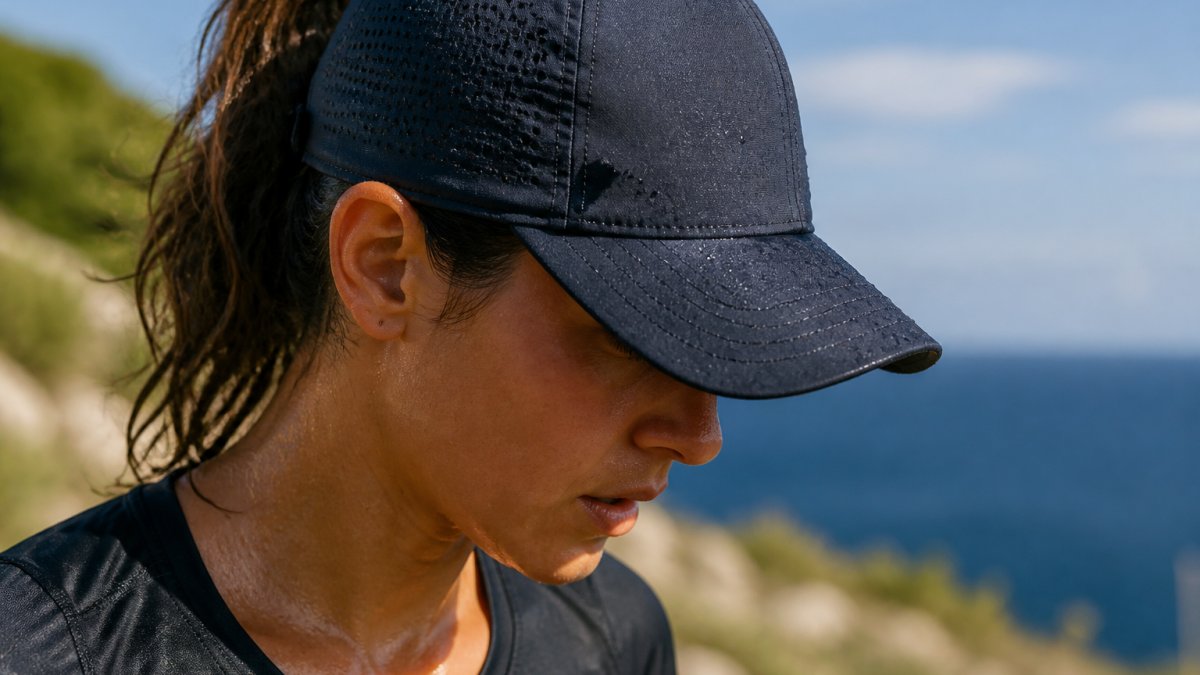
Benefits of rPET in Sportswear: Performance You Can Feel
rPET is recycled polyethylene terephthalate, recovered from plastic bottle recycling and re-spun into textile fiber. In sportswear, it delivers moisture-wicking, quick-dry performance with a lower carbon footprint than virgin polyester.
Recycled polyester wicks sweat from the scalp, dries faster than cotton, and resists the odor buildup that plagues natural fibers, which matters more than the sustainability label during a run or a long day in the stands.
Moisture-Wicking and Quick-Dry Technology
Sweat management comes down to fiber structure. Recycled polyester is hydrophobic, moving moisture along the fabric surface rather than absorbing it, and quick-dry technology evaporates it so the cap never feels heavy mid-game.
Breathable fabric panels, usually laser-perforated or knit with an open structure, allow thermal regulation. Wicking plus airflow separates performance gear from a basic cotton cap.
Durability and UV Protection
Recycled textiles hold up against repeated washing and sun exposure. Durable construction means reinforced seams, a stable crown, and a brim that does not warp, and many recycled polyester caps also carry UV protection for long outdoor events.
The trade-off is real, though. Lower-grade recycled knits can pill faster than virgin polyester. Check the fabric weight and stitching before you buy.
How to Wash Recycled Fabric Sports Caps Without Ruining Them
Learning how to wash recycled fabric sports caps correctly is the biggest factor in how long they last. Heat and agitation break down recycled fibers fastest, so both need managing.
Hand Washing vs. Machine Washing
Hand washing is safest. Fill a basin with cool water and mild detergent, submerge the cap, gently work the fabric with your fingers, then rinse cool and press out excess moisture with a towel.
Machine washing works if you take precautions:
- Use a structured cap washer cage or a mesh bag
- Set the machine to cold and gentle
- Skip the dryer entirely
- Never use bleach or fabric softener
Cold water protects the fiber structure, and the cage keeps the crown from collapsing.
Drying and Reshaping Tips
Air drying is non-negotiable. Set the cap on a clean towel in a well-ventilated spot away from direct sun and radiators, and stuff the crown lightly or place it over a rounded form to hold shape.
If the brim warps, dampen it slightly, reshape by hand, and let it dry in position. Never hang a wet cap by the back strap, the weight stretches the closure.
Material-Specific Comparisons: Recycled Polyester vs. Regenerated Nylon
Recycled polyester and regenerated nylon dominate eco-conscious headwear, but the third option, ocean-bound plastic, is the one most guides skip. Each behaves differently on a sweaty forehead, and the differences trace back to polymer chemistry, not marketing.
Recycled Polyester (rPET): The Lightweight Default
rPET is made by collecting post-consumer PET bottles, sorting by resin code, shredding into flakes, and melting them into pellets re-extruded into filament yarn. Each melt cycle shortens the polymer chain slightly, so rPET is typically spun at a higher denier to compensate.
In a cap, that means:
- Weight: The lightest of the three, which matters when a cap sits on your head for a full match or a long run.
- Moisture handling: Hydrophobic by nature, so it pushes sweat to the surface and evaporates it quickly. The trade-off is that it can feel clammy against the skin if the inner band is not lined.
- Durability: Good in a mid-weight knit, but low-grade rPET pills at the sweatband and crown seams first, because those are the highest-friction points.
- Best for: Running, gym sessions, and everyday wear where breathability and low weight beat abrasion resistance.
Regenerated Nylon: The Abrasion-Resistant Option
Regenerated nylon, often sold under brand names like ECONYL, is produced by depolymerizing nylon waste (fishing nets, carpet, fabric scraps) back into caprolactam monomer, then repolymerizing it into new nylon 6. Because the process returns the material to monomer rather than re-melting it, it performs nearly identically to virgin nylon.
In a cap, that means:
- Weight: Slightly heavier than rPET, but the difference is usually measured in grams, not ounces.
- Moisture handling: Wicks well but dries more slowly than polyester, so it is a poorer choice for high-sweat activities.
- Durability: Excellent abrasion resistance and color retention. It resists the pilling that plagues low-grade rPET and holds dye through repeated UV exposure.
- Best for: Hiking, water sports, and any use where the cap will be handled, stuffed in a bag, or exposed to salt and grit.
Ocean-Bound Plastic: The Middle Path
Ocean-bound plastic is not a different polymer, it is a sourcing designation. The material is typically PET collected from coastal areas before it reaches the ocean, then processed through the same flake-to-pellet route as standard rPET.
For a buyer, the practical question is whether the brand can document the collection program. Without that documentation, "ocean-bound" is a story, not a material.
Side-by-Side
| Feature | Recycled Polyester (rPET) | Regenerated Nylon | Ocean-Bound Plastic |
|---|---|---|---|
| Base polymer | PET | Nylon 6 | PET |
| Recycling method | Mechanical (melt) | Chemical (depolymerize) | Mechanical (melt) |
| Weight | Lightest | Slightly heavier | Lightest |
| Moisture handling | Excellent wicking, fast dry | Good wicking, slower dry | Excellent wicking, fast dry |
| Abrasion resistance | Moderate | Excellent | Moderate |
| Color retention | Good | Excellent | Good |
| Best for | Running, gym, everyday | Hiking, water sports, heavy use | Everyday, casual wear |
| Feel | Crisp, structured | Softer, more stretch | Crisp, structured |
The Blend Question
Most performance caps do not use a single fiber. A common pattern blends rPET with a small percentage of spandex or regenerated nylon to improve stretch recovery, which is why two caps that both say "recycled polyester" can feel completely different.
For most sports fans, rPET is the better pick: it handles sweat well and keeps the cap light. If you need a cap that survives saltwater, trail dust, or constant handling, regenerated nylon is worth the extra weight.
How to Verify a Cap Is Truly Made from Recycled Materials
Verifying recycled content comes down to third-party certification, not brand claims. A cap is genuinely made from recycled materials when an independent certifier has traced the supply chain from post-consumer waste to finished textile, but "certified" can mean several things.
The Two Standards That Actually Apply to Headwear
The Global Recycled Standard (GRS) and the Recycled Claim Standard (RCS) are the two certifications most commonly applied to recycled textiles. Both use the same framework but verify different things:
- RCS verifies recycled content and chain of custody. It answers one question: is the material actually recycled, and can that be traced from source to finished product? It does not cover environmental or social criteria.
- GRS includes everything RCS does, plus requirements for social responsibility, environmental management, and chemical restrictions. A GRS-certified cap has been verified on recycled content and on the conditions under which it was made.
For a buyer, the takeaway is simple: RCS tells you the material is recycled; GRS tells you the material is recycled and the supply chain meets a broader standard. If a brand claims ethical manufacturing alongside recycled content, GRS is the stronger signal.
What the Percentage Actually Means
A cap labeled "made with recycled materials" can contain anywhere from a token percentage to 100% recycled fiber. The certification label should state the percentage, and that percentage applies to the specific material claimed, not the entire cap.
Look for the percentage on the label or product page. If it is not stated, the claim is unverified regardless of what logos appear on the hangtag.
The In-Hand Verification Checklist
Certification is the first filter, but you can also assess a cap directly:
- Check the inner band. A quality recycled cap usually has a moisture-wicking band, often made from the same recycled fiber as the crown. A bare, unlined band is a sign of cost-cutting.
- Look at the stitching at stress points. The sweatband seam and the crown-to-brim junction take the most abuse. Reinforced stitching there is a durability signal.
- Squeeze the crown. Good stretch recovery, the cap springs back immediately, suggests a spandex or regenerated nylon blend rather than a low-grade single-fiber knit.
- Check the brim for warp. A brim that is already curved or twisted before wear will not hold shape after washing.
- Read the care tag. A cap that requires dry cleaning or warns against machine washing is usually a cap with a fragile knit or a finish that will degrade quickly.
Traceability and Lot Numbers
Some brands go beyond certification and publish batch or lot numbers that trace recycled content back to a specific collection program. Neither standard requires it, but it is a strong signal of supply chain transparency, brands that publish lot-level traceability usually have nothing to hide.
What to Do When There Is No Certification
If a cap carries no certification and no stated percentage, treat the claim as unverified. That does not mean the cap is not recycled, it means the brand has not submitted to independent verification, which is the relevant fact for a buyer who cares about the environmental claim.
Fair trade and ethical sourcing claims should be backed the same way. A logo without a certifying body behind it means little. Look for the name of the certifier, not just the symbol.
Textile Exchange's Recycled Claim Standard sets the framework most certifiers use to verify recycled content. If you want to check whether a specific certification is legitimate, the certifier's own database is the place to start.
End-of-Life Disposal and Circular Fashion for Sports Gear
Circular fashion for sports gear means planning for a cap's end of life before you buy it. Most worn caps end up in landfill, where synthetic fibers take decades to break down and contribute to textile waste and greenhouse gas emissions.
Better options exist:
- Donate clean, wearable caps to local shelters or community sports programs
- Check whether the brand runs a take-back or recycling program
- Repurpose worn caps as cleaning rags before disposal
- Buy from brands that design for recyclability from the start
The circular economy model works only when buyers participate. Choosing a cap you will actually wear for years beats buying three you replace every season.
Conclusion: Choosing Eco-Friendly Sports Caps That Last
Picking the right cap means balancing material, certification, and care.
At The Vault, we stock a wide selection of sports-themed headwear with collections for both men and women, backed by free, same-day shipping. Every cap is chosen for the durable construction and comfortable, adjustable fit that fans actually want to wear.
Frequently Asked Questions
Are recycled polyester sports caps as durable as traditional ones?
Recycled polyester caps made from rPET can match or exceed the durability of virgin polyester when constructed properly. The key is the fabric weight and stitching quality. Look for caps with reinforced seams, a sturdy brim, and at least 180 GSM fabric. Many eco-friendly sports caps now include UV protection and chlorine resistance, making them suitable for repeated wear and washing without losing shape.
How do I verify if a sports cap is truly made from recycled materials?
Check for third-party certifications like Global Recycled Standard (GRS) or Recycled Claim Standard (RCS) on the label or brand website. These verify the percentage of recycled content. If a cap claims 'eco-friendly' without specifics, treat it as marketing until you see certification.
Do eco-friendly sports caps offer the same moisture-wicking properties?
Yes. Recycled polyester and regenerated nylon are engineered to wick sweat just as effectively as virgin synthetics. In fact, rPET fibers can be textured to increase surface area for faster evaporation. Many recycled caps use quick-dry technology and breathable mesh panels. The performance depends on fabric construction, not whether the polyester is recycled.
What materials are used to make eco-friendly sports caps?
Common materials include recycled polyester (rPET) from plastic bottles and regenerated nylon from fishing nets or carpet waste.
The challenge is not finding an eco-friendly cap. It is finding one that fits your team, your head shape, and your standards without a weeks-long wait. The Vault solves that with a curated selection of premium sports caps, collections designed for both men and women, and free same-day shipping on every order. Get started with The Vault and have the right cap in hand before the next game.