
Table of Contents
- What Defines Premium Sports Apparel Brands for Modern Fans
- What to Look for in Quality Fan Gear
- Best Lids Alternatives for Sports Hats
- How to Style Sports Apparel for Everyday Wear
- Caring for High-Tech Fabrics and Premium Caps
- Sustainability and Resale Value in Premium Sports Apparel
- Conclusion
- Frequently Asked Questions
Last Updated: September 10, 2026
What Defines Premium Sports Apparel Brands for Modern Fans
Premium sports apparel is team-licensed clothing built with technical fabrics, ergonomic construction, and finish quality that holds up to regular wear rather than a single season. According to Grand View Research's athletic apparel market analysis, the sportswear segment keeps expanding as fans treat game-day gear as everyday clothing. This guide from The Vault breaks down what separates genuinely premium sports apparel brands for modern fans from licensed merchandise that only looks the part.
The distinction matters because the category has split in two. One half chases volume: thin blanks, single-stitch logos, sizing that runs inconsistent across teams. The other half invests in textile engineering, four-way stretch, and moisture-wicking finishes that make a hoodie or cap wearable beyond the stadium.
Here's the tension most buyers miss: a team license says nothing about build quality. Two caps can carry the same embroidered logo and differ entirely in crown structure, fabric weight, and closure hardware. Below, we cover what to inspect before you pay a premium, how to style sports apparel for everyday wear, and how to care for high-tech fabrics so they last.
What to Look for in Quality Fan Gear
Quality fan gear comes down to three checks: fabric and construction standards, fit and ergonomic comfort, and durability under repeated washing. Run all three before you commit to a price point.
Fabric and Construction Standards
Start with the fiber blend. Cotton-polyester mixes hold shape better than pure cotton, which shrinks and pills. Technical fabrics should list moisture-wicking and breathability properties explicitly, and structured caps should name their crown construction.
Then inspect the stitching. Dense embroidery with clean edges signals a manufacturer that controls its supply chain. Loose threads and off-center logos are the first signs of a rushed production run.
Fit, Sizing, and Ergonomic Comfort
Fit is where most online purchases go wrong. Adjustable closures forgive many head sizes; fitted caps require you to know your measurement in advance. For apparel, ergonomic articulation at the shoulders and underarms determines whether a hoodie layers cleanly or bunches.
Ask two questions before buying: does the brand publish a real size chart, and does it offer a return path if the fit misses? A premium price should buy you a predictable fit, not a gamble.
| What to Check | Why It Matters | Red Flag |
|---|---|---|
| Fiber blend | Shape retention, shrinkage | Unlisted or vague materials |
| Stitch density | Logo longevity, finish | Loose threads, off-center embroidery |
| Closure hardware | Adjustability, wear | Thin plastic, stripped buckles |
| Size chart | Fit accuracy online | No measurements published |
| Return policy | Risk on fit | No stated policy |
Best Lids Alternatives for Sports Hats
The best Lids alternatives for sports hats are retailers that combine authentic licensed headwear with fast fulfillment and a curated, team-specific selection rather than a wall of generic stock.
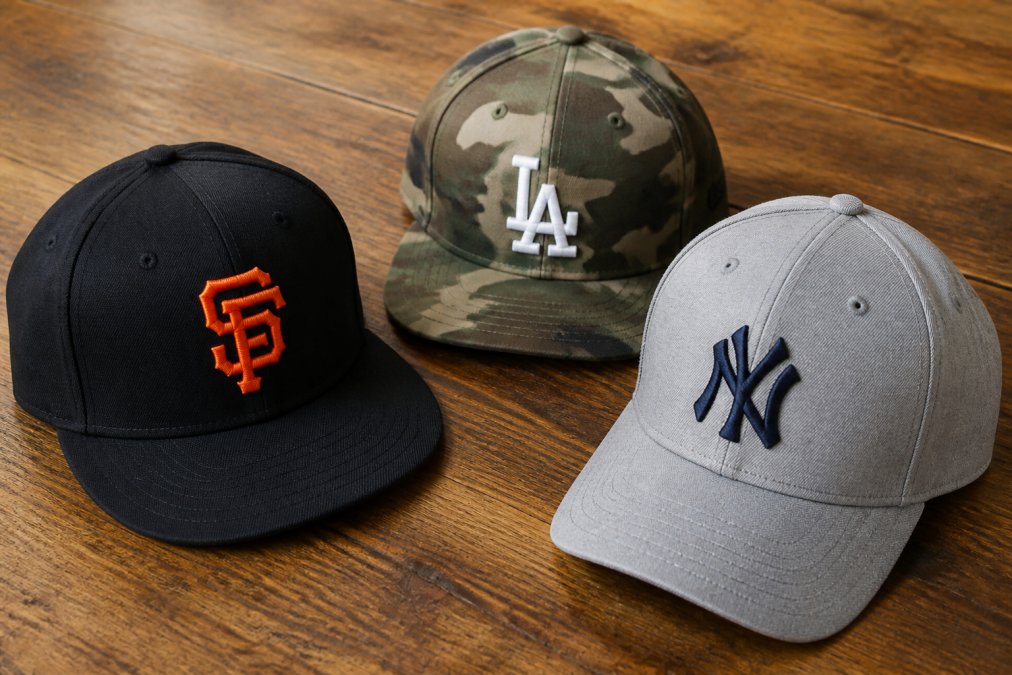
The Vault offers a wide selection of sports-themed headwear across professional leagues, with collections for both men and women. Free, same-day shipping is available.
A few examples from the current catalog show the range:
- Mitchell & Ness Oklahoma City Thunder Snapback ($30.00) - structured crown, flat brim, embroidered OKC shield logo, built for streetwear styling.
- New Era San Francisco 49ers Adjustable Cap ($24.99) - curved brim, cotton twill, metal buckle strap closure for a forgiving fit.
- New Era 59FIFTY Milwaukee Bucks Fitted Cap ($29.99) - on-court silhouette, black camo colorway, smooth inner lining.
- Mitchell & Ness Essentials Print Hoodie ($49.00) - 80% cotton, 20% polyester, kangaroo pockets, ribbed cuffs.
- NFL Team Apparel New York Giants Fuse Hoodie ($48.00) - fleece fabric, relaxed fit, screen-print graphic.
Pros: authentic licensed product, women's-specific collections, free same-day shipping, curated team selection. Cons: inventory is curated rather than exhaustive, so a niche team may not always be in stock; premium pricing on some pieces runs above mass-market equivalents.

How to Style Sports Apparel for Everyday Wear
Styling sports apparel for everyday wear means treating team gear as a neutral base and letting one branded piece carry the outfit. The gym-to-street approach works because it borrows from athleisure rather than costume. But the generic advice, "pair a hoodie with jeans", ignores the two variables that actually determine whether premium gear looks intentional: your build and how hard you plan to wear it.
Style by Body Type
Fit problems in licensed apparel usually trace back to a single pattern being scaled up or down rather than re-drafted. A few adjustments fix most of them:
- Broad shoulders, shorter torso: Drop-shoulder hoodies and raglan-sleeve tees distribute fabric across the chest instead of pulling at the armpit. Avoid boxy crewnecks, which add visual width at the waist.
- Longer torso: Look for extended-hem hoodies or layer a longer tee underneath so the branded piece doesn't ride up when you raise your arms. A cropped team hoodie will fight you all day.
- Athletic build with a narrow waist: Tapered joggers and fitted caps balance a wider upper body. Straight-leg sweatpants read as costume rather than lifestyle on this frame.
- Petite frames: A structured snapback can overwhelm a smaller head, check crown height, not just circumference. Women's-cut caps sit lower and shorter, which is why downsizing a men's cap rarely works.
- Plus sizes: Prioritize brands that publish a true extended size chart with chest and length measurements. If a brand only lists S-XL, the XXL is often a scaled-up pattern with distorted proportions.
Style by Activity Intensity
How hard you'll wear the piece should dictate the fabric and silhouette, not just the colorway:
- Low intensity (errands, office, travel): Cotton-poly blends and fleece hold shape and take a screen print or embroidery cleanly. This is where a team hoodie over plain denim reads as lifestyle apparel.
- Moderate intensity (walking, casual pickup games, tailgates): Four-way stretch knits and moisture-wicking finishes keep the piece wearable past the event. Look for flatlock seams, which reduce chafing under a bag strap or backpack.
- High intensity (training, running, cycling): Technical fabrics with breathability ratings and anti-odor finishes matter more than the logo. A structured cap traps heat; a performance cap with a laser-perforated crown and a moisture-wicking sweatband is the right call.
The One-Anchor Rule
Whichever body type or activity level applies, the styling principle stays the same: pick one anchor piece, then keep everything else quiet.
- Caps: pair a structured snapback with a plain tee and dark jeans. Keep the brim the loudest element.
- Hoodies: layer under an unbuttoned overshirt for a minimalist look that still shows the graphic.
- Color: pull one accent color from the logo and repeat it once, in sneakers or a jacket.
- Women's fits: choose a women's-cut cap rather than a downsized men's style; the crown depth and strap length differ.
That's the theory. The practical test is simpler: if you'd wear it somewhere other than a game, it's styled correctly, and if it fits your frame and your activity level, you'll actually reach for it.
Caring for High-Tech Fabrics and Premium Caps
High-tech fabrics and premium caps fail from washing habits, not from wear. Most moisture-wicking and anti-microbial finishes break down in hot water and high-heat drying, which is where durability quietly disappears (cleanipedia.com).

Wash technical apparel cold, inside out, and skip the fabric softener, which coats the fibers and blocks breathability. Air-dry anything with a printed graphic or embroidery. For structured caps, hand-wash the crown with mild soap, spot-treat the sweatband, and reshape the crown while damp so it dries with its original structure intact.
Store caps on a rack or a structured form rather than stacked. Compression is what flattens a crown and cracks a brim over time, and once a brim loses its curve, no amount of reshaping brings it back cleanly.
Sustainability and Resale Value in Premium Sports Apparel
Sustainability and resale value in premium sports apparel are linked: garments built from durable synthetic blends and quality construction hold resale value, while fast-fashion fan gear rarely does. Circular economy thinking is moving into licensed apparel, and it rewards buyers who choose well in the first place. This is the section most buying guides skip, they tell you what to buy, not what happens to the piece after you're done with it.
What Actually Drives Resale Value
Resale value in licensed apparel follows the same logic as any collectible, with a few category-specific rules:
- Manufacturer matters more than team. Authentic pieces from established headwear and apparel makers retain more of their price than unlicensed equivalents, because buyers trust the construction and the fit.
- Limited colorways outperform standard runs. A black camo or city-edition cap holds value better than the same silhouette in a standard team color, simply because fewer were made.
- Condition is everything. Keep the tags, the original packaging, and the hangtag. A cap with a cracked brim or a faded graphic loses most of its resale appeal regardless of rarity.
- Size availability cuts both ways. Common fitted sizes move quickly; unusual sizes can sit. If you're buying with resale in mind, stick to the middle of the size range.
Reading Sustainability Claims Without Getting Fooled
The FTC's Green Guides on environmental marketing claims set the standard for how brands can describe recycled content and sustainability claims. The practical takeaway: vague language like "eco-friendly" or "green" carries no defined meaning, while specific claims, "made with 50% recycled polyester" or "dyed with a reduced-water process", are the ones a brand can be held to.
When you're comparing two pieces at a similar price, look for:
- A named recycled or bio-based fiber with a percentage attached.
- A stated dyeing or finishing process rather than a leaf icon.
- A published care guide, since how a garment is washed affects its real-world footprint more than most marketing claims.
Supply Chain Transparency as a Quality Signal
Ethical labor and supply chain transparency belong in the same conversation as resale, because they tend to travel together. Brands that publish where their product is made, and by whom, are generally the ones investing in the construction quality that makes resale possible at all. A factory list, a supplier code of conduct, or a third-party audit disclosure are the concrete artifacts to look for. If a brand's "about" page talks about craftsmanship but never names a facility, that's a signal, not a guarantee.
The Practical Playbook
If you want your premium gear to hold value and stay out of a landfill:
- Buy from established manufacturers with a track record, not from a one-season drop.
- Choose a colorway you'll actually wear, resale value is worthless if you never take the tags off.
- Follow the care instructions in the section above; a well-maintained piece resells, a beat-up one doesn't.
- When you're done with a piece, sell it through a resale marketplace or donate it to a team or school program rather than tossing it.
Conclusion
The hard part isn't finding licensed gear; it's finding gear built well enough to justify the premium and last past one season. The Vault stocks a curated range of authentic sports headwear and apparel, with collections for both men and women, free same-day shipping, and a selection organized around real teams rather than generic stock. Start with a cap you'll actually wear off the field, check the closure and fabric specs first, and build from there. Get started with The Vault and get game-day gear that holds its shape.
Frequently Asked Questions
What defines a premium sports apparel brand?
Premium sports apparel brands use higher-grade materials like durable cotton twill, polyester blends, and moisture-wicking technical fabrics. They focus on structured construction, precise embroidery, and ergonomic fit rather than mass-produced shortcuts. Brands like Mitchell & Ness and New Era carry authentic licensing and consistent sizing. The difference shows in how the garment holds up after repeated washes and wear, not just in the logo on the front.
Are premium sports hats worth the investment?
A premium cap from a brand like New Era or Mitchell & Ness offers durable construction. The structured crown keeps its shape, the embroidery does not fray, and the fabric resists fading. For fans who wear team gear weekly, the quality provides lasting value.
How do I choose high-quality sports headwear?
Check the fabric first: cotton twill and polyester blends hold shape better than thin synthetics. Look for structured crowns, clean embroidery without loose threads, and adjustable closures that do not slip. Fitted caps like the New Era 59FIFTY offer the most secure fit if you know your size. Adjustable options with metal buckle straps work well for shared or gift purchases. Always verify authentic licensing before buying.
How can modern fans balance team spirit with high-end fashion?
Choose pieces that work outside the stadium. A black snapback with a tonal logo pairs with streetwear, while a camo fitted cap adds texture to a neutral outfit. Layer a team hoodie under a jacket for gym-to-street versatility. Stick to two or three team colors and let the logo be the focal point. Premium construction means the piece looks intentional, not like cheap game-day merch.
What should I look for in quality fan gear before buying?
Start with fabric weight and construction. Fleece hoodies should feel substantial, not thin. Check for reinforced stitching at stress points like cuffs and pockets. Ergonomic fit matters: relaxed cuts work for layering, while fitted styles suit standalone wear. Verify the brand's licensing and return policy. If sizing is a concern, adjustable hats and relaxed-fit hoodies reduce the risk of a bad fit.
How do I care for high-tech sports fabrics and premium caps?
Wash moisture-wicking and synthetic blends in cold water on a gentle cycle, then air dry to protect fabric integrity. Never machine dry a structured cap; hand wash with mild soap and reshape the crown while damp. Store caps on a shelf or hook, not stacked, to keep the brim curved. Spot-clean embroidery with a soft brush. Proper care extends the life of premium gear by years.